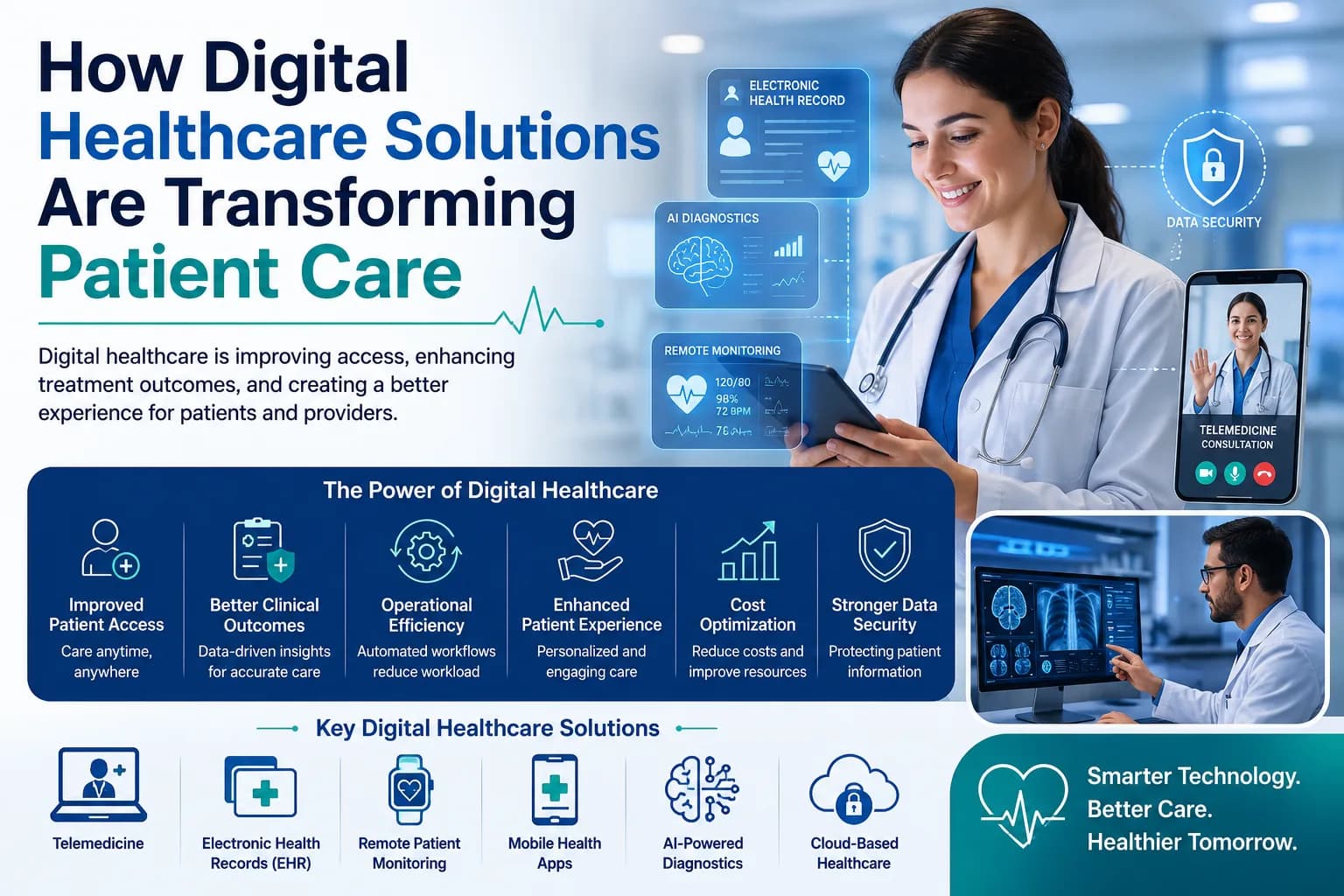
The healthcare industry is experiencing a major transformation driven by digital innovation. From telemedicine and electronic health records to artificial intelligence and remote patient monitoring, technology is reshaping how medical professionals deliver care. In 2026, Healthcare and Medical Services are becoming more efficient, accessible, and patient-focused through the adoption of advanced medical healthcare solutions.
Healthcare providers worldwide are embracing digital technologies to improve patient outcomes, streamline operations, and provide personalized care experiences. As patient expectations continue to evolve, investing in modern healthcare technologies has become essential for hospitals, clinics, and healthcare organizations.
The Growing Role of Digital Healthcare in 2026
Traditional healthcare systems often face challenges such as long waiting times, administrative inefficiencies, and limited access to medical services. Digital transformation is helping overcome these barriers by introducing smarter and more connected healthcare ecosystems.
Modern medical healthcare solutions enable providers to:
Improve patient engagement.
Enhance treatment accuracy.
Reduce administrative burdens.
Increase accessibility to care.
Strengthen data management.
Deliver faster medical services.
As healthcare organizations continue adopting digital tools, patient care is becoming more convenient and efficient than ever before.
Why Healthcare Providers Are Embracing Technology
Technology is no longer just an operational tool—it has become a critical component of modern Healthcare and Medical Services.
1. Improved Patient Experience
Patients today expect faster communication, easy appointment scheduling, and access to healthcare information. Digital platforms make healthcare more convenient and accessible.
2. Better Clinical Decision-Making
Advanced analytics and artificial intelligence help physicians make more informed decisions based on patient data and medical history.
3. Increased Operational Efficiency
Automation reduces paperwork and administrative tasks, allowing healthcare professionals to focus more on patient care.
4. Enhanced Data Management
Digital systems improve record accuracy and make patient information easily accessible across healthcare networks.
5. Reduced Healthcare Costs
Efficient processes and preventive care strategies help organizations reduce operational expenses while improving outcomes.
Key Digital Healthcare Solutions Transforming Patient Care
Telemedicine and Virtual Consultations
Telehealth services have become a standard part of healthcare delivery. Virtual consultations allow patients to connect with doctors without visiting clinics physically.
Benefits include:
Increased accessibility.
Reduced travel time.
Faster medical consultations.
Better healthcare coverage in remote areas.
Electronic Health Records (EHR)
Electronic health records provide healthcare providers with centralized access to patient information.
Advantages include:
Improved record accuracy.
Faster diagnosis.
Better collaboration among medical teams.
Enhanced patient safety.
Remote Patient Monitoring
Wearable devices and connected technologies enable healthcare providers to monitor patients in real time.
Remote monitoring helps:
Track chronic conditions.
Detect health issues early.
Improve treatment plans.
Reduce hospital readmissions.
Mobile Health Applications
Healthcare mobile apps allow patients to:
Schedule appointments.
Access medical records.
Receive medication reminders.
Monitor personal health metrics.
These applications increase patient engagement and encourage proactive healthcare management.
Artificial Intelligence in Healthcare
Artificial intelligence is revolutionizing Healthcare and Medical Services by improving diagnosis, treatment planning, and operational efficiency.
AI-powered healthcare systems support:
Medical imaging analysis.
Predictive diagnostics.
Personalized treatment plans.
Drug discovery and research.
Administrative automation.
By integrating AI technologies, healthcare providers can deliver faster and more accurate patient care.
The Importance of Data Security in Healthcare
Healthcare organizations manage sensitive patient information that must be protected against cyber threats.
Modern medical healthcare solutions include:
Data encryption.
Secure cloud storage.
Multi-factor authentication.
Compliance with healthcare regulations.
Advanced cybersecurity measures.
Protecting patient privacy remains a top priority in digital healthcare environments.
The Role of Software IT and AI Solutions in Healthcare
The healthcare industry increasingly depends on Software IT and AI Solutions to support digital transformation.
These technologies help healthcare providers:
Automate workflows.
Improve patient communication.
Analyze large volumes of medical data.
Enhance decision-making processes.
Deliver personalized healthcare experiences.
As digital healthcare evolves, software and AI technologies will continue to play a crucial role in improving medical outcomes.
Digital Healthcare Across Different Medical Sectors
Hospitals
Hospitals use digital systems to improve patient management, optimize workflows, and enhance care delivery.
Clinics
Clinics benefit from electronic records, appointment scheduling systems, and telemedicine platforms.
Diagnostic Centers
AI-powered imaging and analytics help diagnostic facilities provide faster and more accurate results.
Home Healthcare
Remote monitoring technologies enable patients to receive quality care from the comfort of their homes.
Specialty Healthcare Providers
Specialized medical centers use digital solutions to provide customized treatment and improve patient experiences.
Benefits of Medical Healthcare Solutions
Faster Access to Healthcare
Digital platforms eliminate geographical barriers and improve access to medical professionals.
Enhanced Patient Engagement
Patients can actively participate in managing their health through digital tools.
Better Treatment Outcomes
Advanced technologies help providers deliver accurate diagnoses and personalized care.
Improved Efficiency
Automation reduces administrative workloads and optimizes healthcare operations.
Greater Accessibility
Patients in rural and underserved areas can receive quality healthcare through telemedicine and remote services.
Challenges in Healthcare Digital Transformation
Despite the benefits, healthcare organizations face several challenges:
Cybersecurity risks.
Integration complexities.
Regulatory compliance requirements.
Staff training needs.
Initial technology investments.
Successful healthcare organizations overcome these challenges by partnering with experienced technology providers and implementing scalable solutions.
Future Trends in Digital Healthcare
Several emerging trends are shaping the future of healthcare:
AI-assisted diagnostics.
Personalized medicine.
Smart wearable devices.
Cloud-based healthcare systems.
Predictive analytics.
Remote patient care.
Automation of healthcare workflows.
These innovations will continue transforming patient care and improving healthcare accessibility worldwide.
Conclusion
Digital transformation is redefining the future of Healthcare and Medical Services. Modern medical healthcare solutions are improving patient experiences, enhancing operational efficiency, and enabling better clinical outcomes.
As healthcare organizations continue embracing innovation, the role of technology will become even more significant. Leveraging advanced Software IT and AI Solutions can help providers deliver smarter, safer, and more personalized patient care.
For organizations seeking reliable digital healthcare expertise, Doddapaneni Group (Doddapanenigroup.net) offers innovative technology solutions designed to support healthcare transformation and long-term growth.